the Jaume family has been perpetuating the winemaking tradition since 1826.
through our ranges and appellations
meals and guided tastings
Rooted in the north of Châteauneuf-du-Pape,
the Jaume family has been perpetuating the winegrowing profession since 1826.
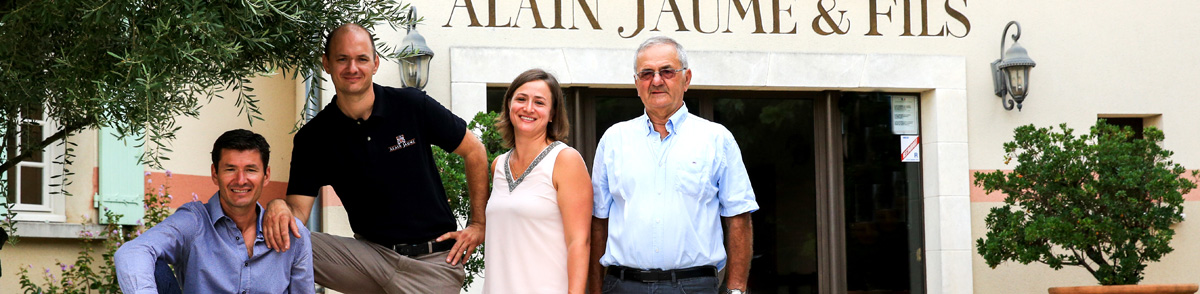
Alain Jaume Family
Châteauneuf-du-Pape and Rhône Valley wines
The history of the Alain Jaume family dates back to 1826, when we settled north of Châteauneuf-du-Pape and began cultivating vines. Inspired by the richness of the Rhône Valley terroir, we devoted ourselves to viticulture with passion and perseverance.
Generation after generation, our family-owned winery has preserved this expertise to craft wines that embody the authenticity and diversity of the Côtes du Rhône and Châteauneuf-du-Pape appellations.
Wines bearing the Alain Jaume label reflect not only our pursuit of excellence but also a deep family commitment to quality. Today, the Alain Jaume family proudly carries this legacy forward, ensuring that each bottle captures the essence of the terroir and the passion of generations past.
Alain Jaume Vineyards Experience – in the heart of the prestigious Châteauneuf-du-Pape terroir. For nearly two centuries, our family-owned wine estate has cultivated these legendary Rhône Valley vineyards with passion and respect, producing exceptional wines such as Châteauneuf-du-Pape.
As heirs to a unique family know-how, we combine tradition, precision, and a deep connection to the land to craft rich, authentic, and memorable wines. Each vintage of our Châteauneuf-du-Pape and Rhône Valley wines reflects the purest expression of our identity and invites you to share in the timeless art of winemaking.

Domaine
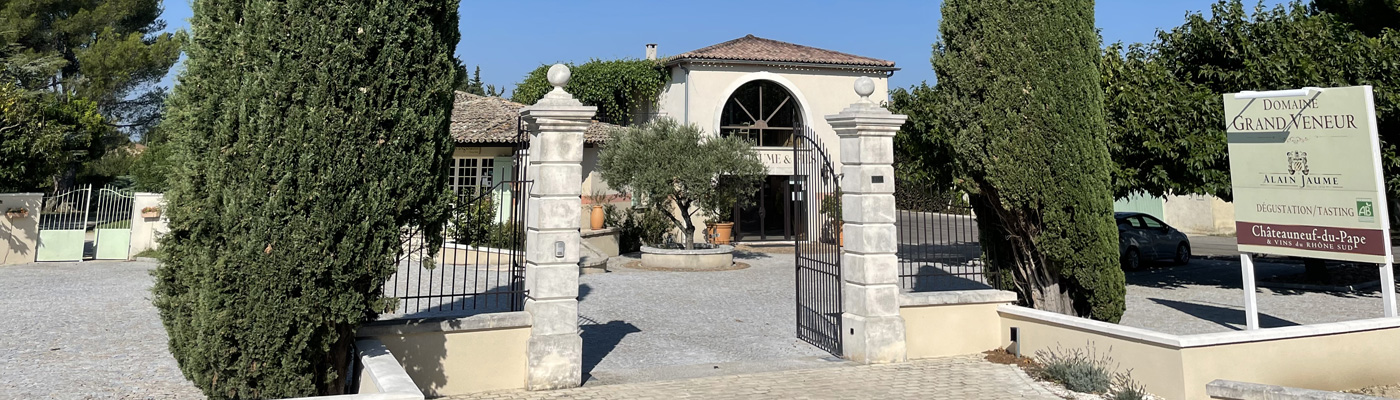
Grand Veneur
Domaine de Grand Veneur" was created in 1979 by Odile and Alain JAUME, who have carried on the family winemaking tradition. Located in Orange, the original 9-hectare estate has grown over the years to produce wines and cuvées certified AOP Châteauneuf-du-Pape and AOP Côtes du Rhône.

Domaine
Clos de Sixte
In 2003, the JAUME family seized the opportunity to expand into the LIRAC terroir, with the creation of "Domaine du Clos de Sixte". The LIRAC terroir, although new to the JAUME family, is still quite similar to the terroirs of Châteauneuf-du-Pape. Since 2009, the estate has been farmed organically, a practice that respects the environment and enhances the terroir.

Château
Mazane
In 2013, the JAUME family once again diversified its terroirs with the acquisition of "Château Mazane". This vineyard is made up of three main grape varieties and is ideally situated between the Ouvèze terraces and the Dentelles de Montmirail. The soils, made up of pebbles from the debris of the Dentelles de Montmirail and clay, give the wines from this estate specific characteristics.

Domaine
Grangette Saint-Joseph
In 2015, following an opportunity, the Jaume family acquired the "Domaine de la Grangette Saint-Joseph". This estate is located in the Côtes-du-Rhône appellation, with its vineyards on the banks of the Ouvèze river. The wines produced by this estate cover renowned Rhône Valley appellations such as Côtes-du-Rhône, Vacqueyras and Châteauneuf-du-Pape.
Discover our wines
- Alain Jaume Selection
- Domaine Grand Veneur
- Domaine du Clos de Sixte
- Château Mazane
- Domaine la Grangette Saint-Joseph
Vacqueyras - Red - 2023
Vacqueyras - white - 2023
Châteauneuf-du-Pape - Red - 2022
Tavel - Rosé - 2024
Lirac - Red - 2021
Les Travées - Red - 2022
Rasteau - Red - 2023
Les Gélinottes - Red - 2023
SY-RAH Familly - Red - 2024
Haut de Brun - White - 2024
Haut de Brun - Red - 2022
Condrieu - White - 2023
Crozes-Hermitage - Red - 2022
Saint-Joseph - Red - 2023
Grand Veneur - White - 2024
Bellissime - Rosé - 2024
Grand Veneur - Red - 2023
Côtes-du-Rhône - Blanc - 2024
Côtes-du-Rhône - Red - 2022
Châteauneuf-du-Pape - White - 2023
Châteauneuf du Pape - Red - 2022
Châteauneuf-du-Pape - Red - 2022
Châteauneuf du Pape - White - 2023
Châteauneuf du Pape - Red - 2022
Marc de Châteauneuf Du Pape - 2009
Grand Veneur - Bag in box Red 3L - 2022
Grand Veneur - Bag in box Red 5L - 2022
Lirac - Red - 2021
Vacqueyras - Red - 2023
Côtes du Rhône - White - 2024
Côtes du Rhône - Rosé - 2022
Côtes du Rhône - Red - 2022
Lirac - Red - 2022
Vacqueyras - Red - 2022
Châteauneuf-du-Pape - Red - 2022
La Grangette des Garrigues Condrieu - Blanc - 2023
La Grangette des Garrigues -Saint Joseph -2023
Chateauneuf du Pape - Blanc
The Grand Veneur estate, anchored in the AOC Châteauneuf du Pape
Domaine Grand Veneur is rooted in the heart of the Châteauneuf-du-Pape vineyard, one of the most iconic Crus of the Rhône Valley. For generations, our family-owned winery has cultivated these lands of rolled pebbles and limestone clay with patience, respect, and dedication.
Our Châteauneuf-du-Pape wines are rich, complex, and expressive — the result of diverse grape varieties combined with the high standards of our estate. To be a winemaker in Châteauneuf-du-Pape is to honor a family heritage while passionately striving to craft wines that are authentic, sincere, and true to their terroir.
Discover our Châteauneuf du Pape and Rhône Valley wines
Winegrowers since 1826, the Alain Jaume family-owned vineyard has preserved a unique expertise handed down through generations. Each grape is carefully selected to craft vintages that combine tradition, precision, and authenticity.
Our Châteauneuf-du-Pape and Rhône Valley wines embody the richness of their terroirs — elegant, balanced, and full of character. Behind every vintage, we seek continuity and a subtle harmony of flavors, capable of evoking a true Proustian madeleine.
At Domaine Alain Jaume, a passion for wine is passed on through respect for the vine, for nature, and for our history. From Châteauneuf-du-Pape to the emblematic appellations of the Rhône Valley, each bottle is the result of meticulous craftsmanship and unwavering dedication. We invite you to discover, through a tasting, authentic and elegant wines that carry the imprint of a shared heritage.

Châteauneuf-du-Pape
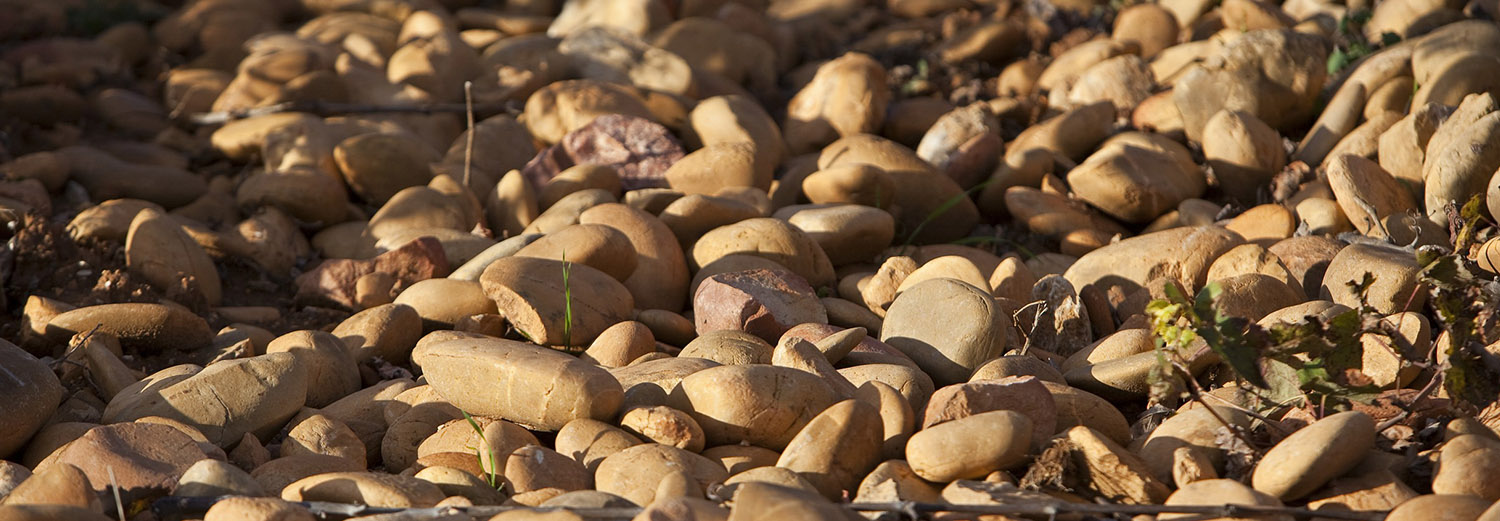
The wines of the Châteauneuf-du-Pape appellation are among the most prestigious in the Rhône Valley. This appellation, recognized since 1937, produces mainly red wines, although white wines are also produced. The Châteauneuf-du-Pape terroir is characterized by rounded pebbles, which store up the sun's heat during the day and release it at night, helping the grapes to ripen optimally.

Lirac
Lirac is one of the oldest appellations in the Rhône Valley, with a viticultural history dating back to the XVIᵉ century. Today, the appellation is renowned for producing quality wines, often compared to those of Châteauneuf-du-Pape. Lirac's terroir is characterized by a variety of soils including rolled pebbles, sandy terraces and clay-limestone soils. The appellation's Mediterranean climate favors grape ripening.

Vacqueyras
The Vacqueyras appellation is located in the Rhône Valley. Renowned for the quality of its wines, Vacqueyras produces mainly reds, but also whites and rosés. Vacqueyras enjoys a Mediterranean climate, with hot, dry summers and mild winters, which is beneficial to grape ripening. The appellation's varied soils also contribute to the diversity and richness of its wines.

Gigondas
The Gigondas appellation is renowned for its red and rosé wines. The vineyards of Gigondas are planted on the slopes of the Dentelles de Montmirail massif, benefiting from a Mediterranean climate that favors the cultivation of vines. The Gigondas appellation, created in 1971, is often compared to its more famous neighbor, Châteauneuf-du-Pape, but is gaining recognition for the quality and character of its wines.

Côtes-du-Rhône
The Côtes-du-Rhône appellation is one of the largest and most diverse in France, covering some 171 communes between Vienne in the north and Avignon in the south. It produces mainly red wines, but also whites and rosés. The region's climate is typically Mediterranean, and soils vary from rounded pebbles and limestone to sand and clay, contributing to the diversity of the wines produced.

Tavel
Wines from the Tavel appellation are exclusively rosé wines, renowned for their quality and unique character. Distinguished by their intense color, these wines offer aromas of red fruits, flowers, spices and minerals. Tavel wines are generally dry and can improve with a few years' ageing, which is rare for rosés. They are the perfect accompaniment to Mediterranean dishes, fish and white meats.

Rasteau
The Rasteau appellation produces only red wines. The vineyards of Rasteau benefit from a warm, dry Mediterranean climate, ideal for growing the Grenache, Syrah and Mourvèdre grapes, which are the main grapes used in this appellation. These wines are the perfect accompaniment to tasty dishes such as grilled meats and sauces. What's more, these wines have excellent cellaring potential, allowing the flavors to develop and refine over time.

Cairanne
Cairanne is one of the Côtes-du-Rhône crus, showcasing the region's diverse terroir. Indeed, the vineyards of this appellation have soils ranging from clay-limestone to galets roulés, contributing to the complexity and richness of the wines. The red wines of Cairanne are often well-structured, with silky tannins and good ageing potential. The whites, less common, generally present floral and fruity aromas with a nice freshness.

Ventoux
The Ventoux appellation covers a vast area around the famous Mont Ventoux. It benefits from a Mediterranean climate with a mountain influence, which favors a great diversity of wines. Soils range from limestone to clay and sand. The wines of the Ventoux appellation are mainly reds, but there are also whites and rosés. Ventoux wines are distinguished by their generosity, freshness and ability to accompany a wide variety of dishes.

Condrieu
The Condrieu appellation is one of the Côtes-du-Rhône crus. This appellation is dedicated exclusively to the production of white wines, made from the Viognier grape variety. This grape gives Condrieu wines their distinctive characteristics: a golden color, intense stone fruit aromas, floral notes and sometimes hints of honey and spices. The Condrieu terroir, with its steep slopes and granite soils, plays an important role in the quality and typicity of the wines.

Saint-Joseph
The Saint-Joseph appellation is also one of the Côtes-du-Rhône crus. This appellation stretches for some 50 kilometers along the right bank of the Rhône, between the towns of Chavanay to the north and Guilherand-Granges to the south. Created in 1956, the appellation is known for its powerful, aromatic red wines and refreshing white wines. The Saint-Joseph terroir is diverse, with granite, gneiss and schist soils contributing to the complexity of the wines.

Crozes-Hermitage
The Crozes-Hermitage appellation, one of the Côtes-du-Rhône crus, covers several communes. This vast appellation produces mainly red wines, but also white wines. The appellation's varied soils, composed of granite, alluvium and stony terraces, contribute to the diversity of wine styles produced.
La Table d'Alain Jaume
Œnotourism Discover the vineyards and cellars Meals and guided tastings
Enjoy our unique oeunotourism experience in Châteauneuf-du-Pape with "La Table d'Alain Jaume". This activity includes a visit to the vineyards and cellars, followed by a wine-tasting meal. This is your chance to discover our history and learn more about our wines. You'll also have the opportunity to dine on homemade dishes and discover food and wine pairings that will delight your taste buds.
Enjoy a unique wine tourism experience in Châteauneuf-du-Pape at La Table d’Alain Jaume. Discover our vineyards and cellars during an immersive guided tour, followed by a refined meal designed to showcase perfect food and wine pairings. Share a convivial moment and let yourself be captivated by our exceptional Rhône Valley wines.
Step into the winemaker’s world with an authentic immersion at the Alain Jaume estate. This experience invites you to explore our terroirs, visit our cellars, and enjoy a meal celebrating our Châteauneuf-du-Pape and Rhône Valley wines.
The journey begins in our vineyards, overlooking the prestigious Châteauneuf-du-Pape appellation. You will discover the diversity of the soils, the influence of the climate, and the techniques that shape each grape cluster. The tour continues in our cellars, where each vintage is crafted and reveals its true identity. The experience concludes with a tasting meal at La Table d’Alain Jaume, carefully designed to highlight the harmony of food and wine pairings. More than just a tasting, it is a meeting, a sharing, and an immersion into the Rhône Valley art of living.
Our packages combine a cellar tour with a guided tasting of Châteauneuf-du-Pape and Rhône Valley wines, paired with seasonal dishes. Depending on your preferences, you can choose a comprehensive discovery experience with multiple food and wine pairings, or a shorter introduction featuring a gourmet platter and selected wines.
At La Table d’Alain Jaume, each glass tasted and each dish shared becomes a way to understand why Châteauneuf-du-Pape wines are recognized worldwide. This wine tourism experience blends a vineyard tour, cellar visit, wine tasting, and food and wine pairing menu — all in a warm and welcoming setting.
Châteauneuf-du-Pape: the soul of a great terroir and wines of character
The Châteauneuf-du-Pape AOC embodies the richness and prestige of the great wines of Southern France. Here, the intense Mediterranean sun, the famous rolled pebbles, and the mistral wind shape a unique vineyard landscape, where every plot contributes to the reputation of this legendary appellation.
The excellence of these red and white wines is no coincidence: it is the fruit of centuries of history, rigorous viticultural practices, and a heritage carefully preserved across generations. To explore the world of Châteauneuf-du-Pape wines is to experience the subtle balance of power, complexity, and authenticity.
The historical foundations of the Châteauneuf-du-Pape AOC
The medieval town of Châteauneuf-du-Pape owes much of its fame to the Popes who settled in Avignon during the 14th century. Drawn to this exceptional terroir, the pontiffs encouraged vine cultivation around their summer residence, laying the foundation for a winemaking tradition that has endured for centuries. The region soon became renowned for the outstanding quality of its wines, a reputation that continues to captivate wine lovers across generations.
Over time, this historic vineyard was safeguarded by strict regulations to preserve its identity and longevity. In 1936, Châteauneuf-du-Pape became one of the very first French appellations of controlled origin (AOC). These rigorous standards were designed to protect the unique expression of the terroir and affirm the character of both its red and white wines.
The strength of the terroir in the identity of Châteauneuf-du-Pape
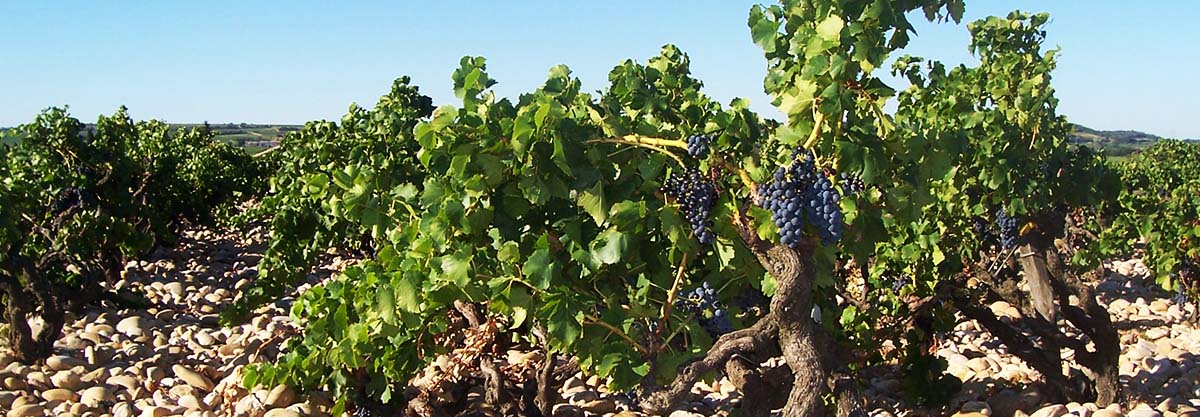
When you think of Châteauneuf-du-Pape, the mind instantly turns to the iconic rolled pebbles that define its vineyards. Acting as natural heat reservoirs, they capture the warmth of the sun by day and release it at night, ensuring optimal ripening of the grapes. Alongside them, soils of sand, limestone, and red clay form a remarkable mosaic that gives each vintage its unique aromatic complexity and structural depth.
The Mediterranean climate bathes the vines in abundant sunshine, while the mistral wind naturally shields the grapes from disease. This perfect harmony of elements creates a rare balance of opulence, freshness, and aging potential — qualities that stand out most vividly in the finest vintages.
The diversity of Châteauneuf-du-Pape's red and white wines, driven by its grape varieties
Thirteen authorized grape varieties form the Châteauneuf-du-Pape appellation’s mosaic, a testament to the historic commitment to preserving aromatic richness and complexity. Grenache reigns supreme in the red wines, delivering volume, warmth, and generosity. It is complemented by Syrah, Mourvèdre, Cinsault, and Counoise, each contributing layers of power, freshness, and balance depending on the blend.
The white wines, produced in smaller quantities but equally captivating, draw on Clairette, Roussanne, Bourboulenc, Grenache Blanc, and other local grapes. This delicate alchemy creates elegant, floral vintages, often distinguished by ripe fruit, subtle spice, and mineral notes — proof that Châteauneuf-du-Pape whites can be as remarkable as their celebrated reds.
Châteauneuf-du-Pape: the long process of vinification and aging
In the cellars, vinification is carefully adapted to the balance of each vintage. Extended macerations extract color and tannins, while gentle punch-downs preserve finesse and elegance. Often, spontaneous fermentations bring out the full expressive richness of the terroir, highlighting both power and ripe fruit aromas.
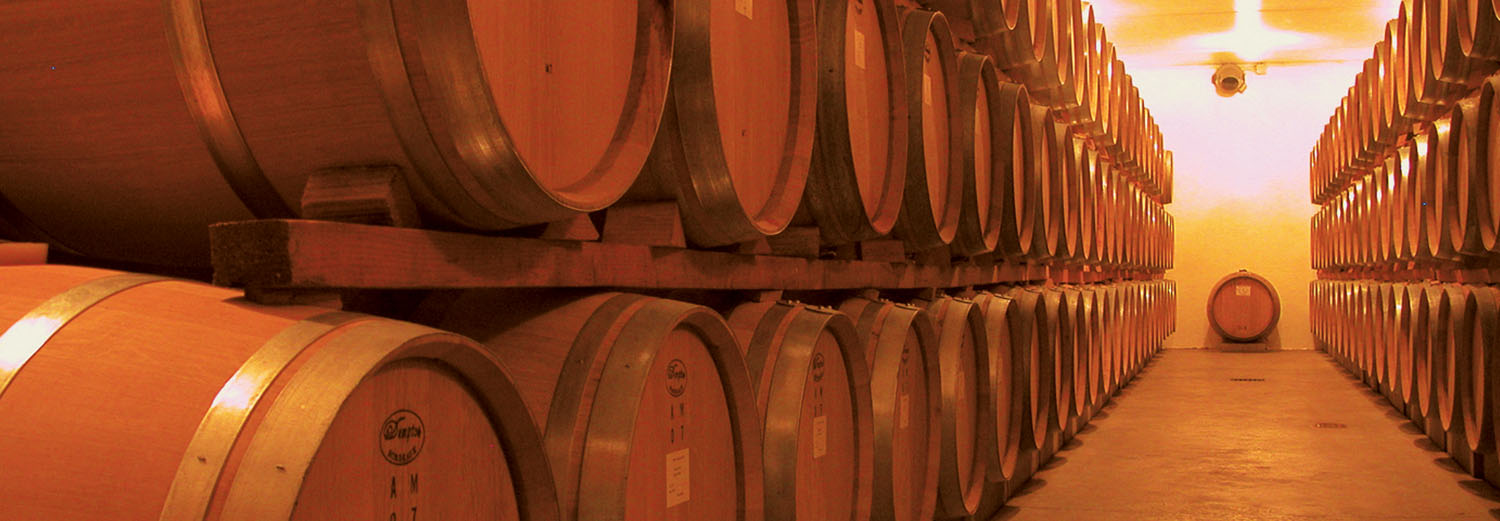
Aging then takes over, alternating between old barrels, French oak barriques, and concrete vats, allowing the wines to achieve full maturity without masking the imprint of the soil. Excessive filtration is avoided, with only light clarification applied to preserve the wine’s natural vitality and authentic expression. As a result, it is not uncommon to find slight natural sediment at the bottom of some bottles — a tangible sign of artisanal, non-standardized winemaking.
This philosophy reflects respect for the roots of each vintage and ensures unique sensations after several years of cellaring. Over time, the wines reveal complex tertiary aromas — truffle, mushroom, and forest floor — highly prized by discerning wine love
The world-renowned Châteauneuf-du-Pape wines
The international reputation of Châteauneuf-du-Pape wines continues to grow. Discerning wine lovers, food and wine pairing enthusiasts, and collectors in search of aging potential all recognize their unique signature. Combining a strong Provençal identity, a wide palette of grape varieties, and the patience of long aging, these wines captivate palates across the world.
The greatness of these vintages also lies in their remarkable ability to evolve over time. The magic of the Châteauneuf-du-Pape AOC offers both the immediate pleasure of expansive aromas and the formidable complexity that emerges after years of cellaring. With optimal preservation, the wines reveal an impressive spectrum of flavors — from bright red fruits to refined tertiary notes of forest floor, spice, and earth.
At Vignobles Alain Jaume, the vines flourish in harmony with the land and its people
At our family-owned winery in Châteauneuf-du-Pape, our philosophy is rooted in respecting natural balances and maintaining constant care for the vineyard.
Our soils are cultivated through shallow plowing, a practice that preserves life in the soil and prevents compaction. To nourish the vines, we use plant-based compost made from local materials, fostering biodiversity and strengthening the bond between the plant and its environment.
Yield control is central to our approach. By naturally limiting the number of grape clusters, each berry can concentrate its aromas and fully express the character of the terroir. Manual leaf removal, carried out on the sunrise-facing side, ensures ideal aeration while protecting the grapes from the intensity of the southern sun.
The harvest is carried out exclusively by hand. Each bunch is carefully picked and sorted to keep only healthy, fully ripe fruit. In our cellars, this same rigor continues with patient, tailored aging — in old barrels, oak barriques, or concrete vats — always adapted to the personality of each wine, and never masking the imprint of the soil. We avoid excessive filtration, applying only light clarification to preserve vitality. A natural sediment may sometimes appear in the bottle: a true sign of artisanal winemaking that honors its origins.
Each vintage expresses the nobility of its terroir. Roundness, intensity, depth, and longevity define our Châteauneuf-du-Pape wines as well as the neighboring appellations we cultivate. They bear the mark of a family-owned estate rooted in 1826, faithful to rigor, tradition, and respect for nature.